About 3200 to 3000 BC · Sumer (Iraq)
The oldest written records already list slaves
Some of the earliest writing on Earth, clay tablets from the city of Uruk, already lists male and female slaves, many of them captives from the hills. By the time people learned to write, slavery was already there.
About 2100 to 1754 BC · Mesopotamia
The first law codes set rules for slaves
The law code of Ur-Nammu and, later, the Code of Hammurabi treat slavery as a normal part of life: how slaves were bought, punished and freed.
About 1600 to 1000 BC · Egypt and China
Captives in Egypt's mines, captives in Shang China
Egypt's pharaohs put foreign captives to work in mines and quarries. In Shang dynasty China, war captives, many of them Qiang people from the west, were sacrificed in royal rituals.
About 800 to 146 BC · Greece
Democracy in Athens ran on slaves
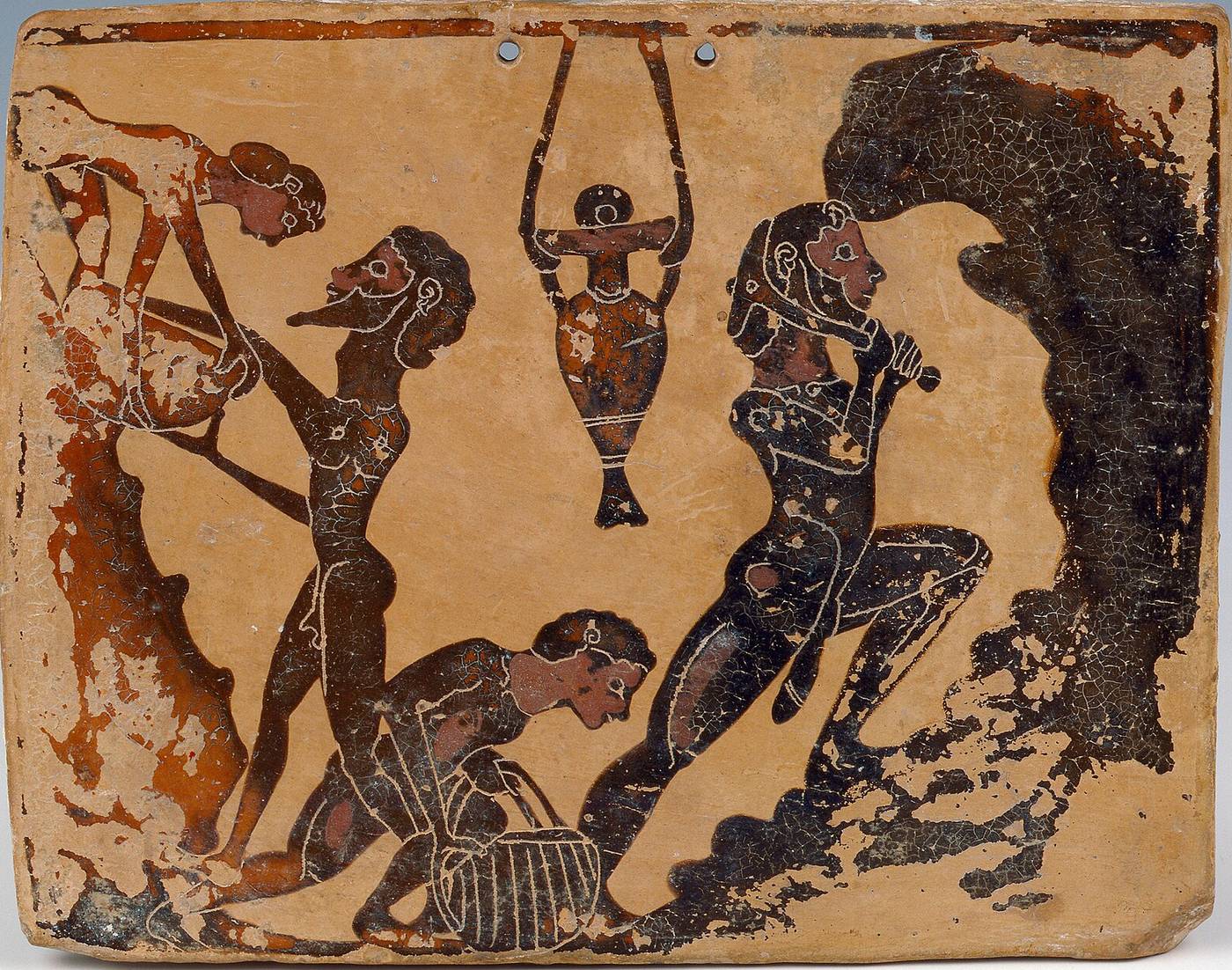
Athens held tens of thousands of slaves, many from Thrace and Scythia, and worked many of them to death in its silver mines. Sparta enslaved fellow Greeks, the helots.
509 BC to AD 476 · Rome
Rome held millions of slaves at once
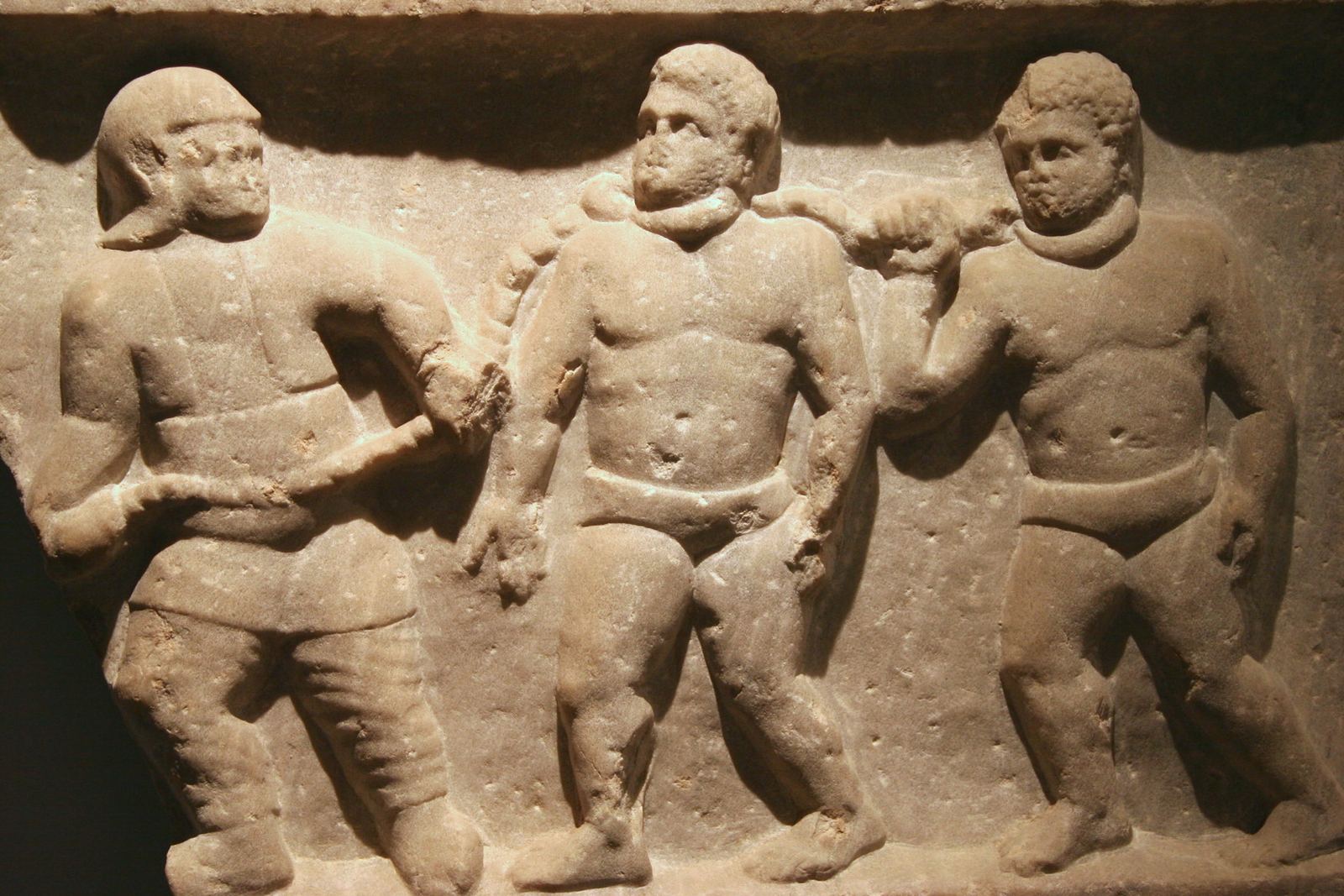
Gauls, Britons, Germans, Greeks, Thracians, Jews and Syrians: anyone Rome conquered could be sold. Their children were born slaves.
AD 600s to 1900s · The Islamic world
Slave trades that lasted 1,300 years
Africans, Slavs, Greeks, Turks, Persians and Indians were carried across the Sahara, the Red Sea, the Indian Ocean and the Black Sea for more than a thousand years.
793 to 1066 · The Viking age
Vikings captured and sold the Irish and the English
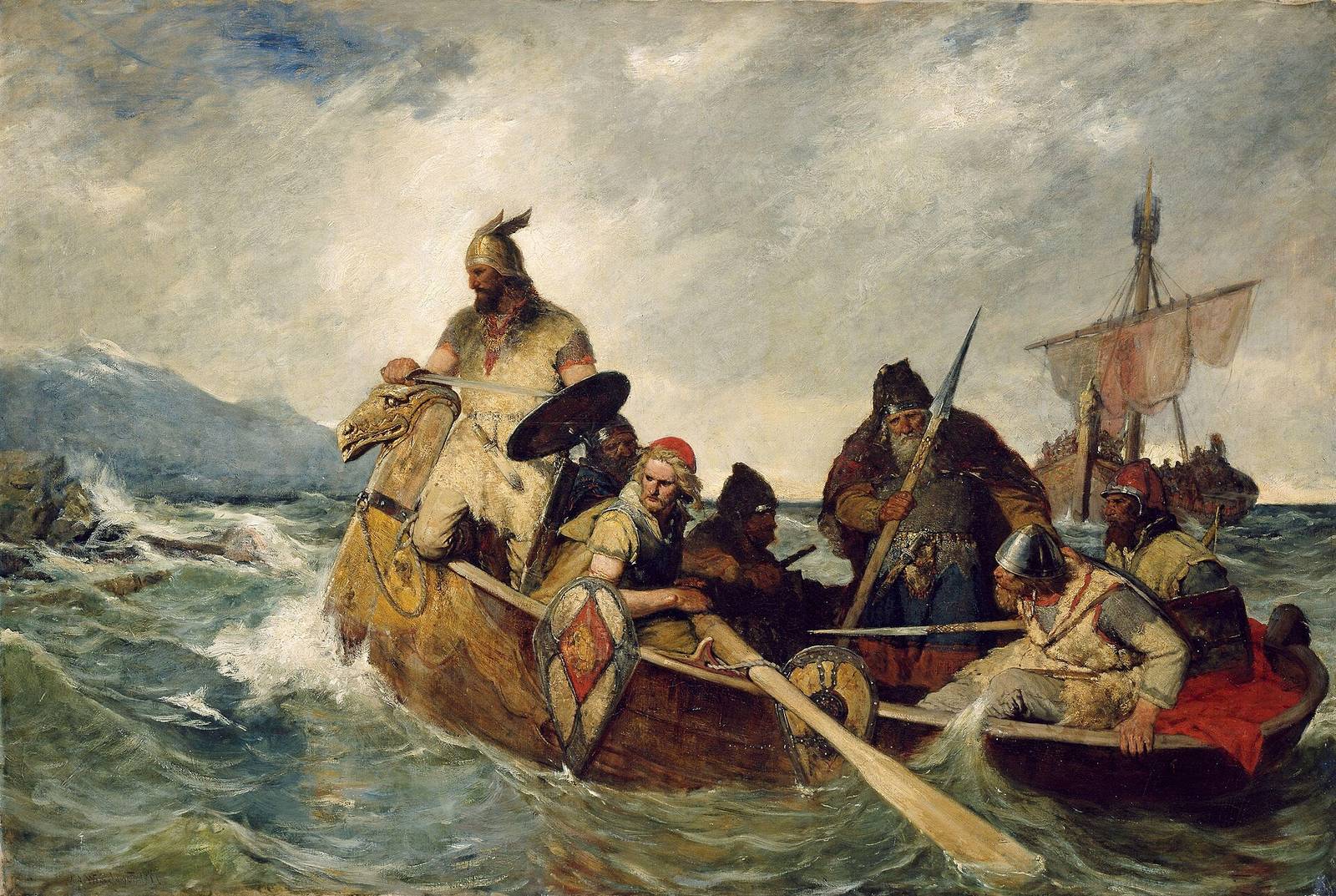
Viking raiders took men, women and children from Ireland, Britain and Eastern Europe. Dublin, a Viking base, became one of Europe's main slave markets.
800s to 1000s · Eastern Europe
"Slav" became the word "slave"
So many Slavic people were captured and sold that, in medieval Latin, the word for Slav came to mean slave. English took the word from there.
1086 · England
One in ten people in England was a slave
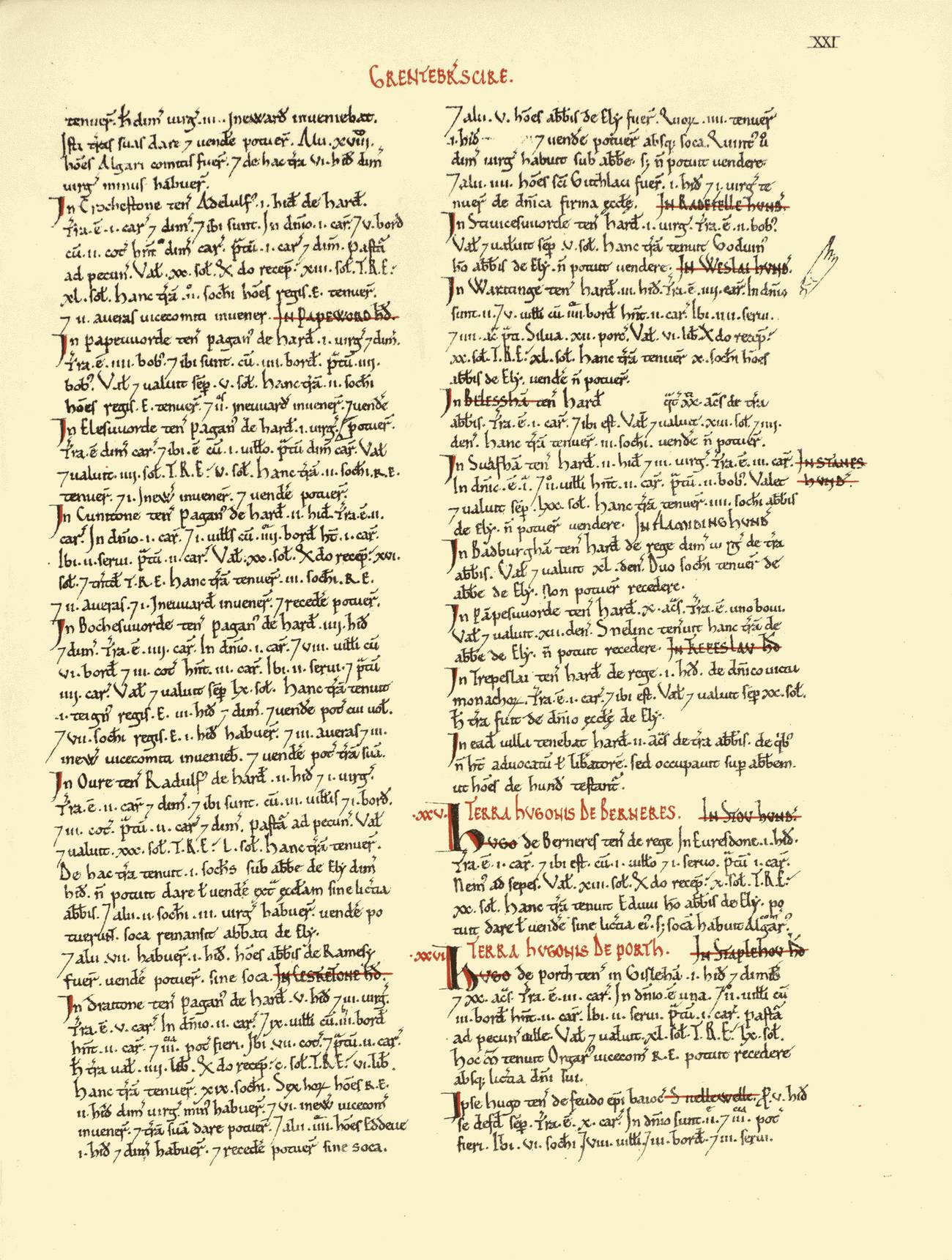
William the Conqueror's great survey, the Domesday Book, recorded about one slave for every ten people it counted.
1250 to 1517 · Egypt
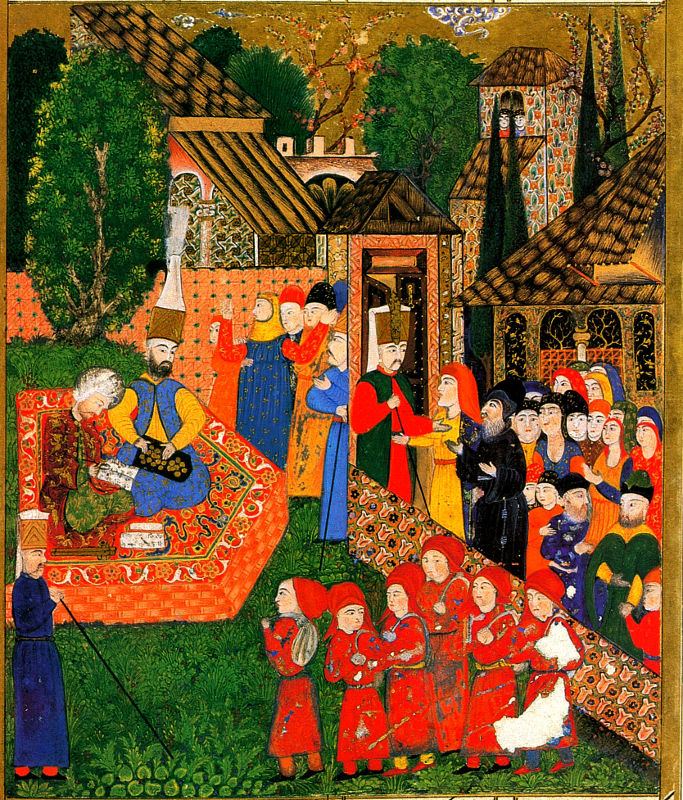
Slave soldiers ruled Egypt
The Mamluks, boys bought from the steppes and the Caucasus and trained as soldiers, seized power and ruled Egypt for more than 250 years.
1440s to 1860s · The Atlantic
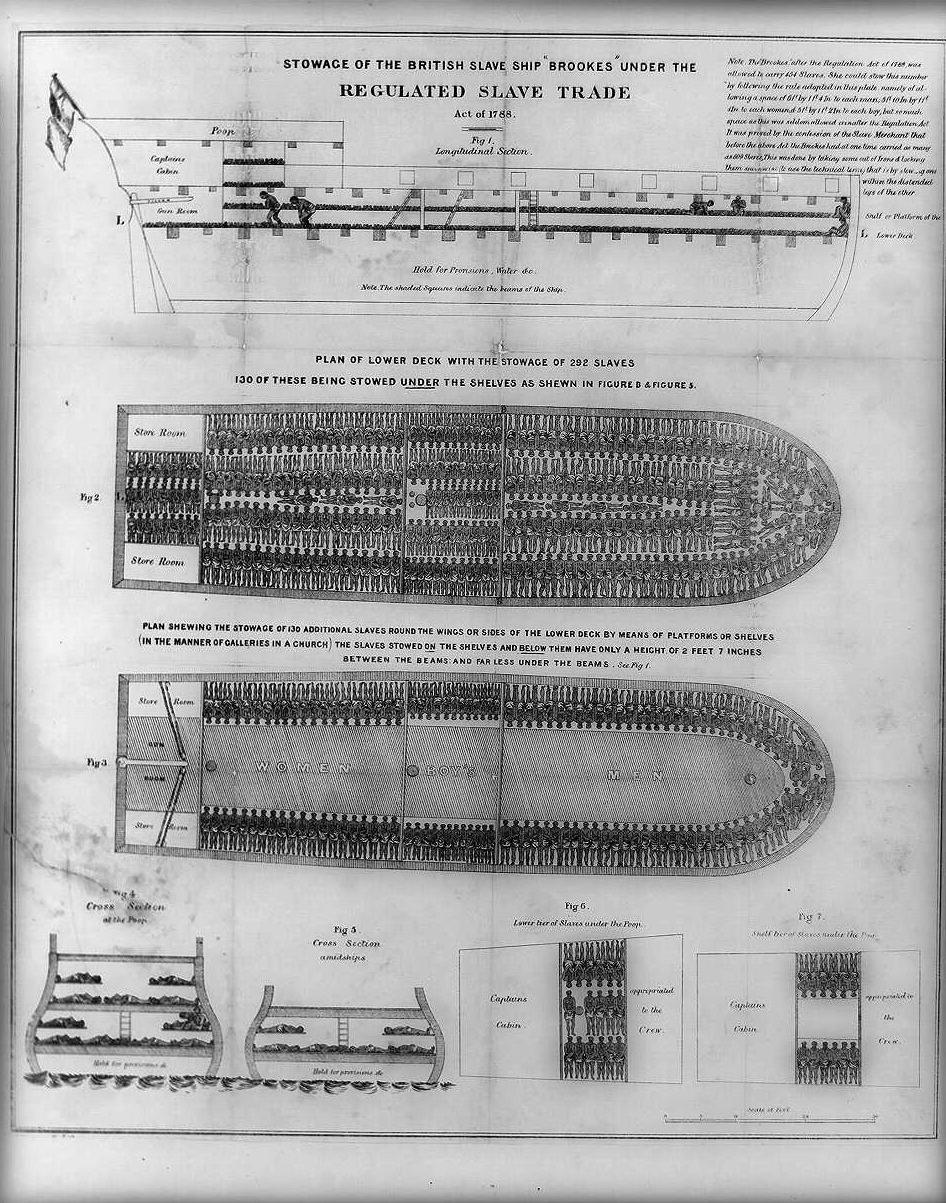
About 12.5 million Africans shipped to the Americas
African kingdoms sold captives to European traders, who shipped them across the Atlantic. Most went to Brazil and the Caribbean.
1400s to 1700s · Ukraine, Poland, Russia
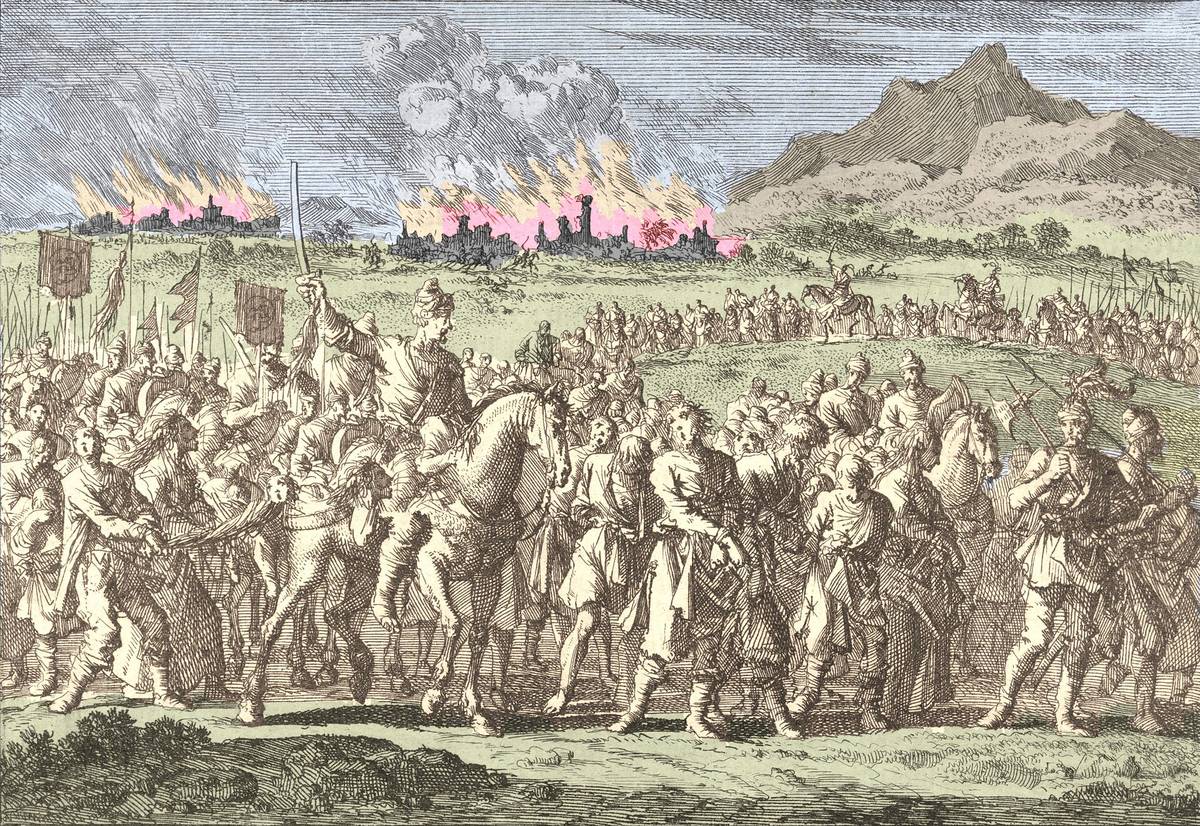
Up to 2 million taken by the Crimean slave raids
Crimean Tatar horsemen drove Ukrainians, Poles and Russians to the slave markets of Crimea, to be sold on to the Ottoman Empire.
1500s to 1830 · North Africa
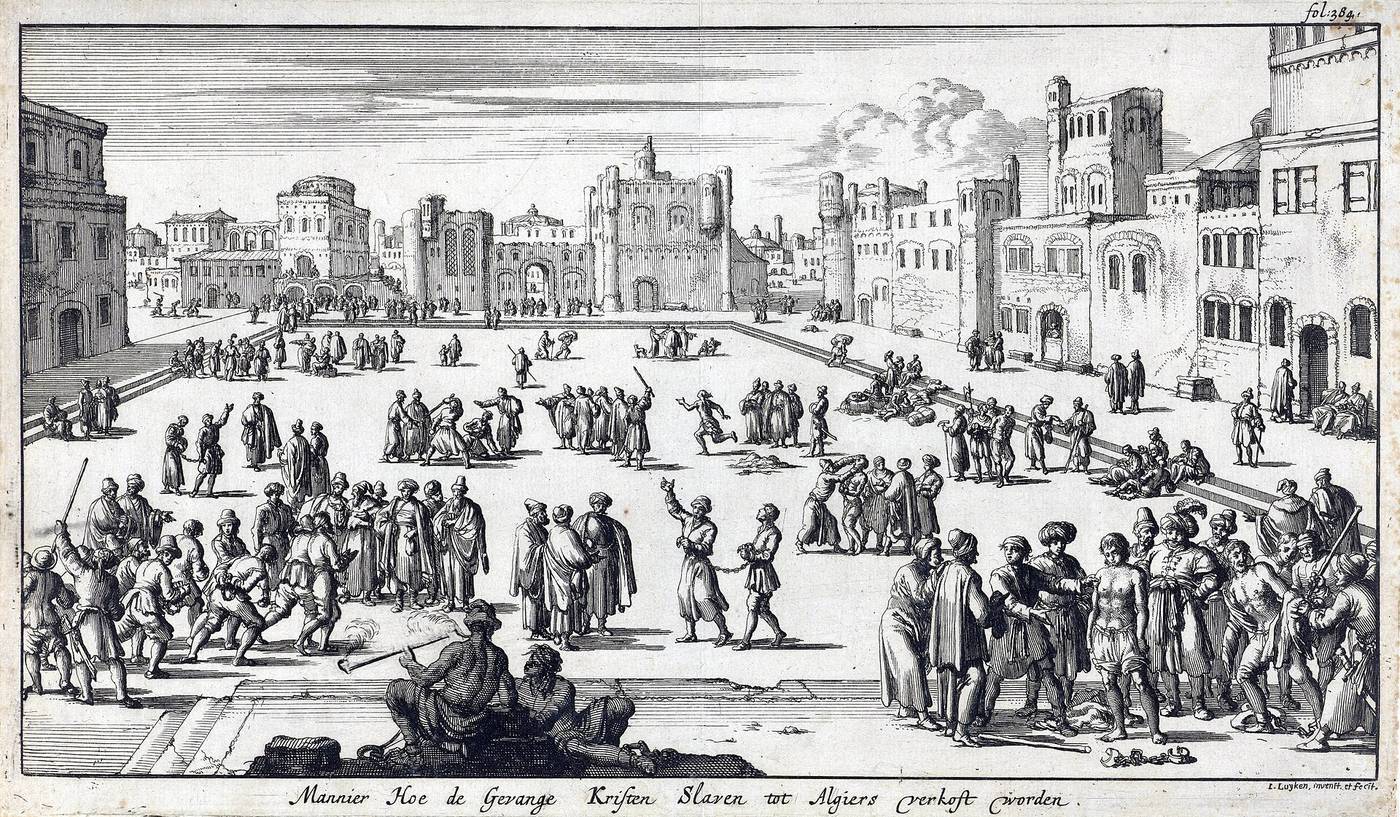
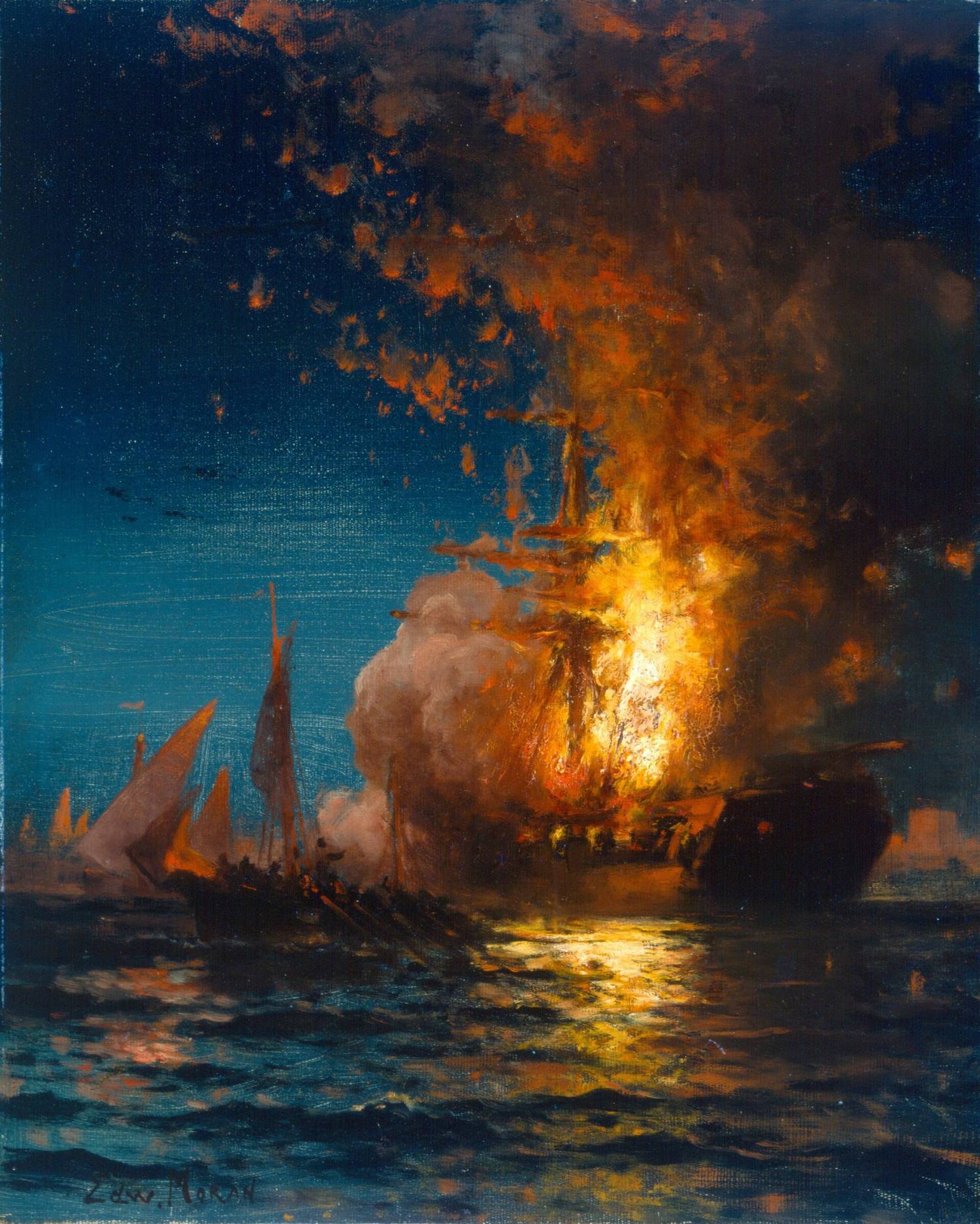
Barbary pirates enslaved a million or more Europeans
Corsairs from Algiers, Tunis, Tripoli and Morocco raided ships and coasts from Italy to Iceland and sold their white captives.
1619 to 1865 · What became the USA
246 years
From the first Africans sold in Virginia in 1619 to the 13th Amendment in 1865. A real and terrible chapter, and a short one on the scale of this timeline.
1888 · Brazil
The last country in the Americas ends slavery
Brazil, which received more enslaved Africans than any other country, freed its slaves 23 years after the United States.
1930s to 1950s · Europe
Slave labor returns to Europe
Nazi Germany forced an estimated 10 to 13 million people into labor, most of them Poles and Soviet citizens, and about 18 million passed through the Soviet Gulag camps.
1962 · Saudi Arabia
Slavery is finally made illegal
Almost a hundred years after the United States, Saudi Arabia abolished slavery by royal decree. Mauritania followed in 1981 and made it a crime only in 2007.
Today · Everywhere
About 50 million people live in modern slavery
Forced labor and forced marriage still trap people of every color, on every continent, today.
Look at the red sliver
That is the 246 years of slavery in America.
It is about 5 percent of this timeline. The other 95 percent, more than 4,600 years before it and the years since, is the part most people were never taught.